
Wood-destroying insect inspections
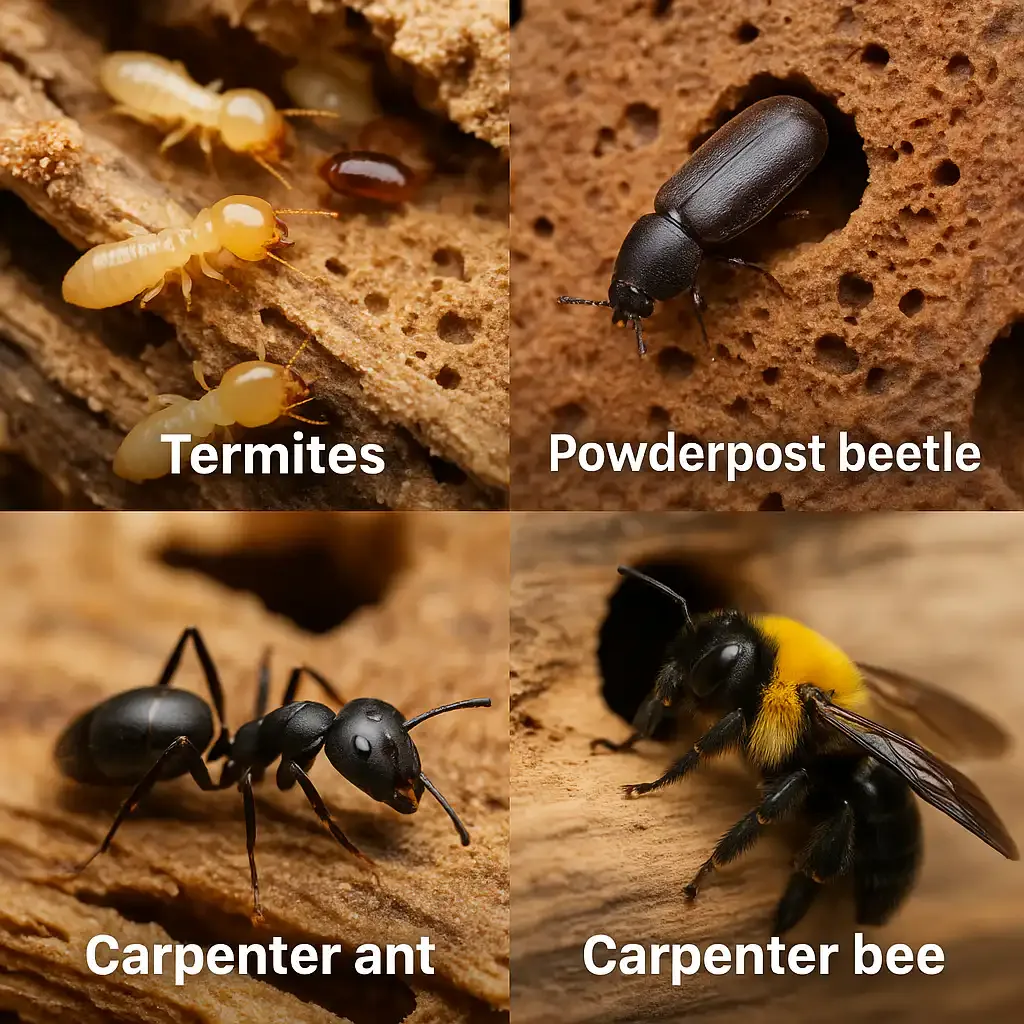
Termites, carpenter ants, carpenter bees, and wood-boring beetles don't announce themselves. By the time damage is visible, they've often been at work for years, and termites alone cause billions of dollars in damage across the country annually. A WDI inspection catches what's easy to miss.
How a WDI inspection works
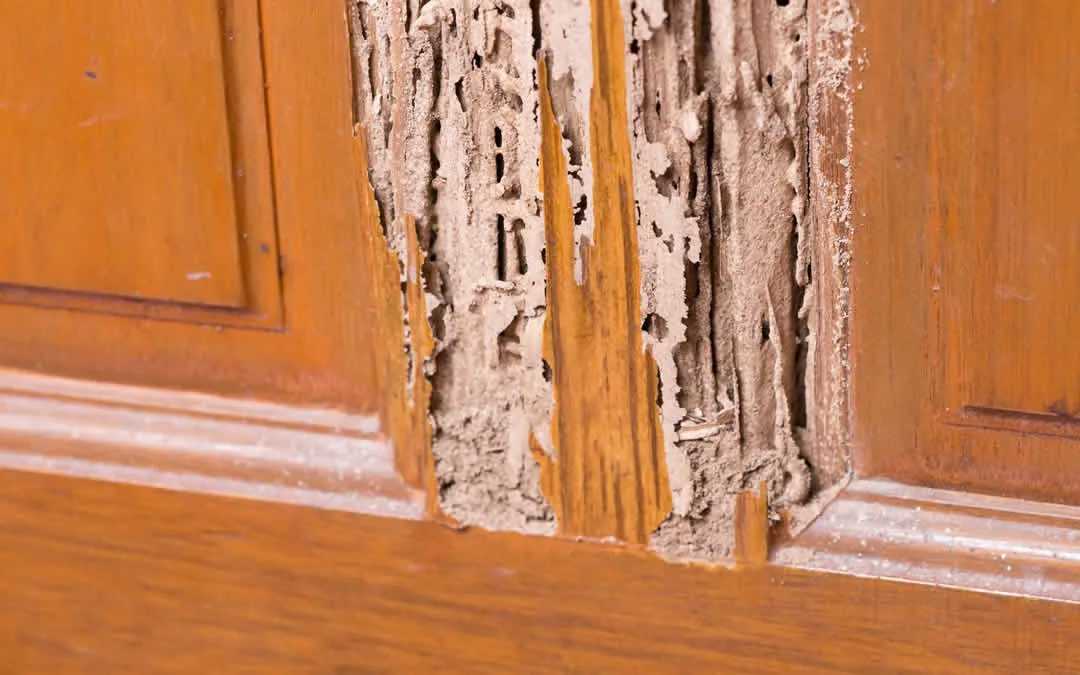
I evaluate the home for evidence of current infestation, past infestation, and the conditions that tend to invite these pests in the first place, based on what's visible in accessible areas on the day of the inspection. That means checking accessible wood surfaces for hollowed or damaged sections, looking for mud tubes along foundation walls, and watching for exit holes, discarded wings, or droppings left behind.
I also flag anything that makes a home more attractive to wood-destroying insects in the future, such as wood sitting in contact with soil, mulch piled against siding, or moisture collecting near the foundation.
Coverage varies by pest
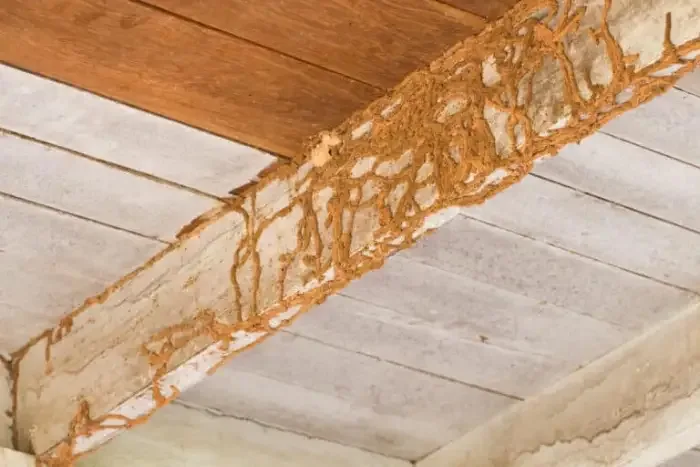
Not every wood-destroying insect behaves the same way, so where I focus depends on what I'm looking for. Subterranean termites tend to show up near the ground in places like basements, crawl spaces, foundation walls, and the perimeter of the home, inside and out. Carpenter ants, carpenter bees, and beetles are more likely to turn up in exposed framing, attics, eaves, hardwood flooring, and decks, wherever those areas are accessible.
Why it's worth doing
Structural damage from wood-destroying insects can be well underway before it's visible to the eye. A WDI inspection will determine whether there's any visible evidence of wood-destroying insects and potentially catch a problem while it's still manageable rather than a five-figure repair.