Radon testing
Protect your family from a danger you can't see, smell, or taste with professional radon testing you can trust.
What is radon?
Radon is a colorless, odorless gas produced by the natural breakdown of uranium in soil and rock beneath your home. You'd never know it was there without testing for it, but at high enough levels indoors, it becomes a serious health risk.
Why does radon matter?
Radon is the second leading cause of lung cancer in the United States, after smoking. According to the EPA, radon exposure is linked to about 21,000 lung cancer deaths in the United States every year. That's roughly seven times more than secondhand smoke.
How does radon get into a home?
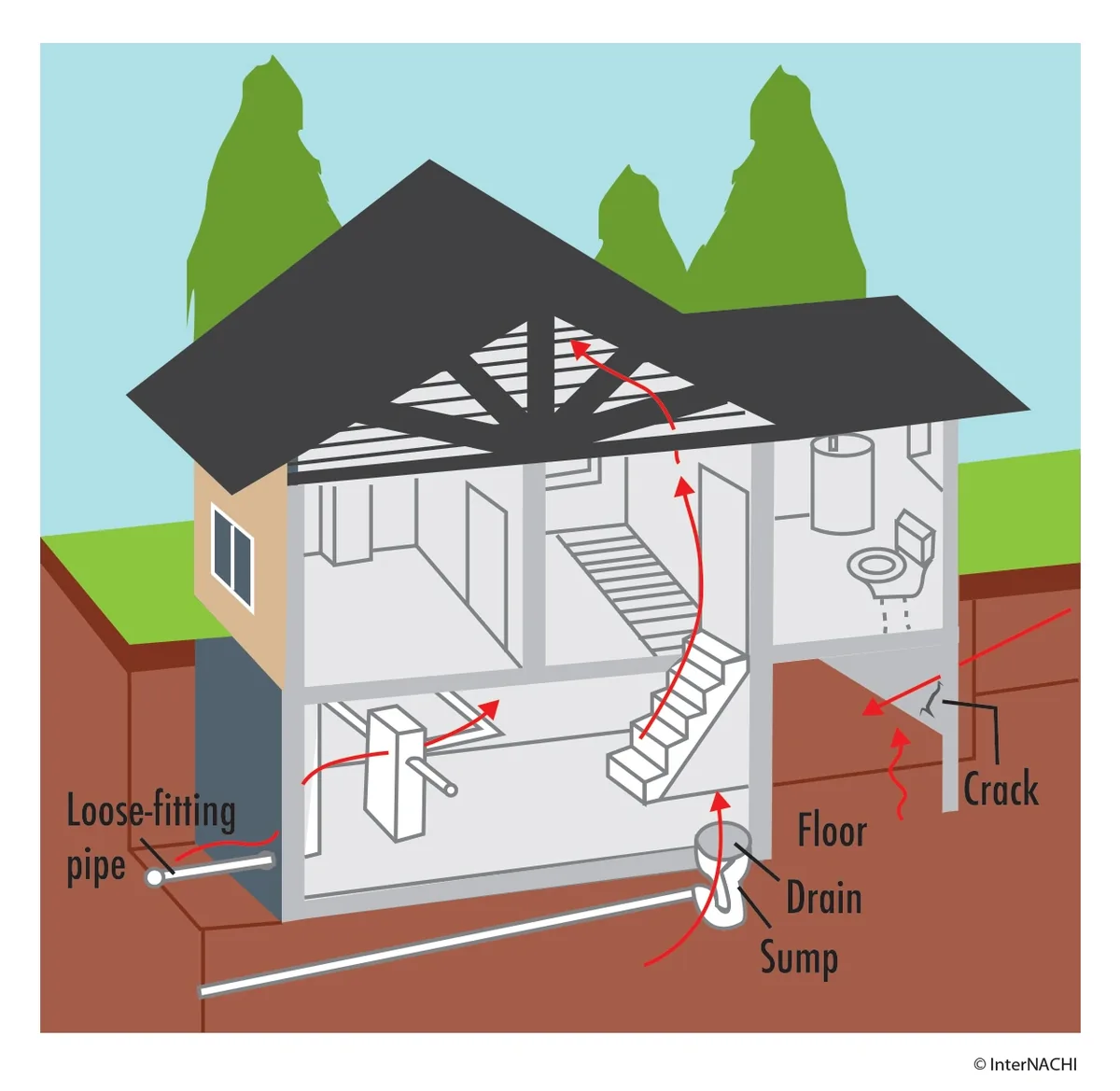
Radon rises up from the ground and enters through cracks in the foundation, gaps around pipes, sump pits, and other openings where the house meets the soil. Home age, size, and construction don't predict radon levels. A newer home can test just as high as an older one. Even two homes next door to each other can have very different readings. Testing is the only way to know where your home stands.
Ohio is a high-radon state
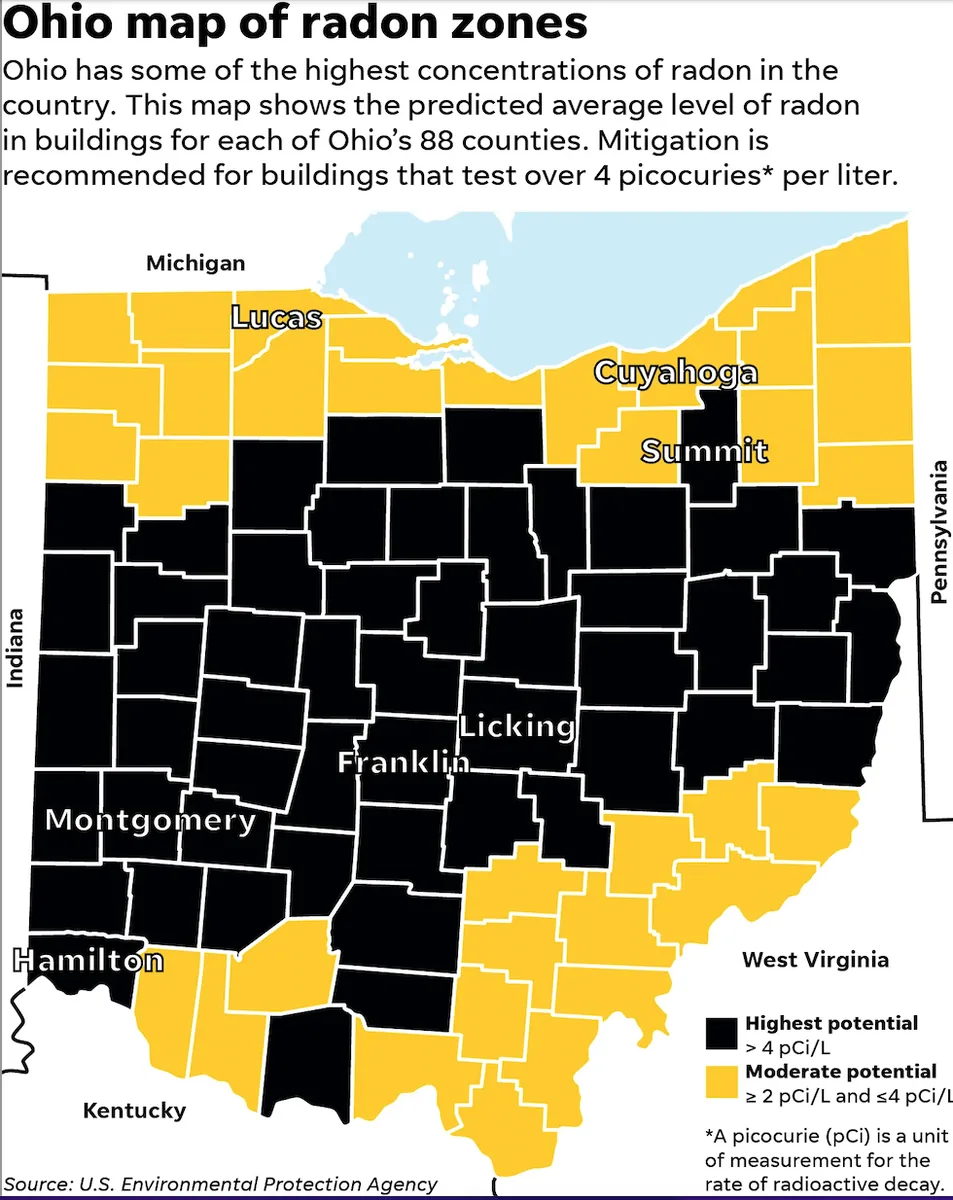
Ohio has some of the highest concentrations of radon in the country. Much of Southwest Ohio falls in the highest-potential zone, where predicted average indoor levels exceed the EPA action level of 4 pCi/L.
How I test for radon
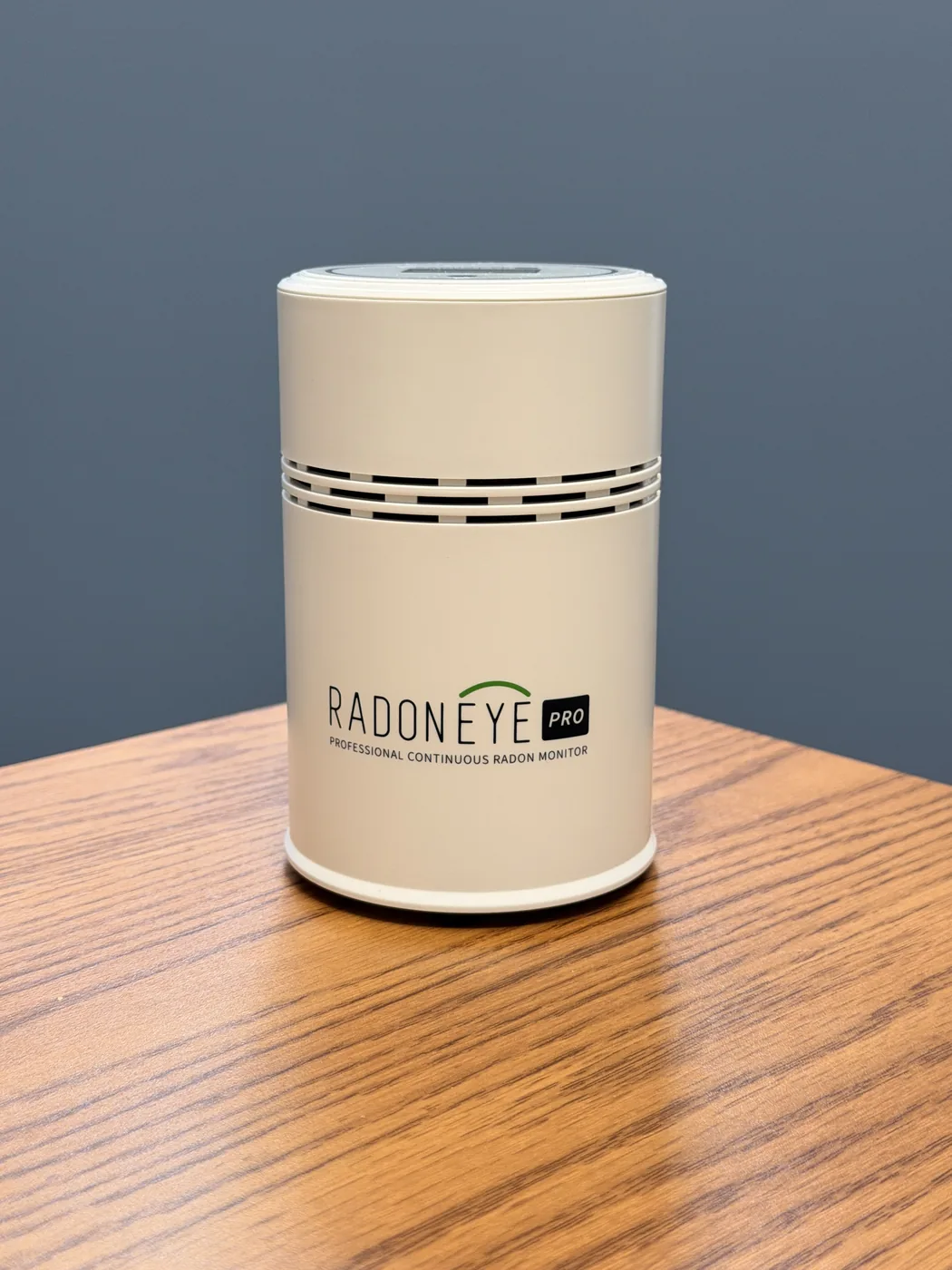
I use the RadonEye Pro Continuous Monitoring System, the same professional-grade device used by radon testers across the industry. Rather than stopping at the EPA's minimum recommendation, I run the test for a full 72 hours of continuous monitoring, placed in the lowest habitable space in the home, to give you a more complete and reliable picture of your home's radon levels.