Home Inspection

What I inspect

Every inspection includes a detailed report covering every system and area of your home: the good, the bad, and everything worth keeping an eye on.

Request a free quote 937-882-2079

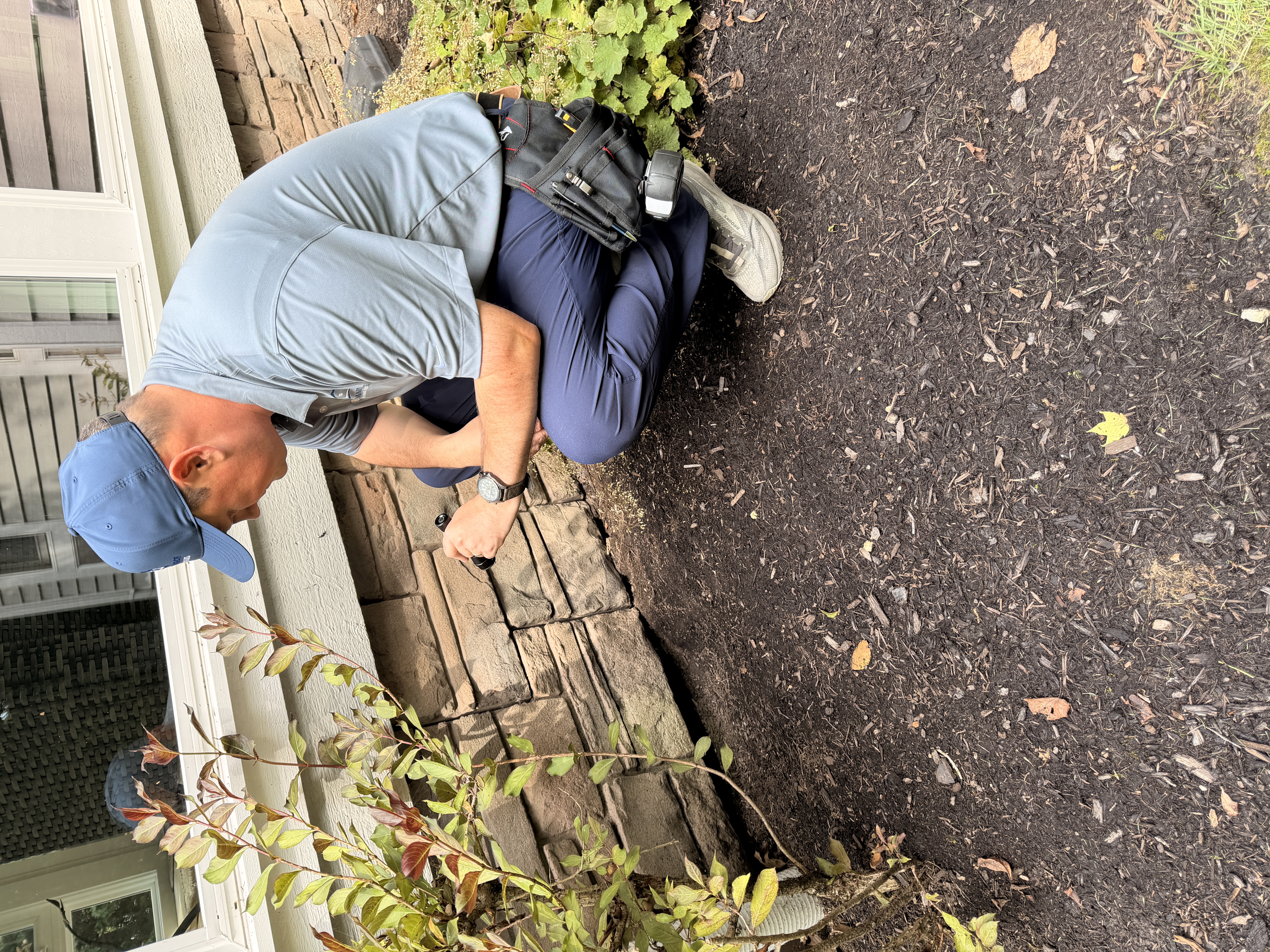
Charles inspecting a the exterior

Inspections follow Ohio's licensing standards (OAC 1301:17-1-17) and cover the structure and foundation, basement and crawl space, heating and cooling, plumbing, electrical, kitchen and bathrooms, interior, attic and insulation, roof, exterior, and the grounds surrounding the home.

Most inspections happen after an offer is accepted, but plenty of homeowners and sellers request one too. Sellers get ahead of issues before listing, and owners just want a clear picture of what needs attention. Either way, you'll walk through the findings with me, not just read about them in a report. You're welcome to come along the whole time, or we can meet up at the property when I'm done and go over a summary of my findings.

The full report will be available to you in a convenient online platform within 24 hours. Inspections generally take about three hours, and longer for larger homes.

What an inspection is, and isn't

What an inspection is

  • A limited, visual, non-invasive exam.
  • A snapshot of the home's condition on inspection day.
  • Performed by a generalist trained across every major system.
  • A tool to help you make an informed decision.

What it isn't

  • A warranty or guarantee against future problems.
  • A substitute for a specialist inspection (roofer, HVAC tech, structural engineer).
  • A look behind walls, under flooring, or into concealed spaces.
  • A promise that nothing will ever go wrong.

Area by area

Below is a breakdown of what's covered in each area of your home, and the kinds of issues I'm specifically looking for.

Structure & Foundation

I inspect all readily accessible structural components, including the foundation, floor structure, wall structure, and ceiling structure. I'll note the method used to access and inspect crawl spaces and attics.

I'm looking for things like foundation cracking or movement, signs of settling, water intrusion at the foundation, sagging or uneven floors, and damaged or deteriorated framing.
Crawl Space

I inspect the crawl space as part of the structural evaluation and note the method used to access it (walked, crawled, viewed from the access point, etc.).

I'm looking for standing water or moisture, inadequate ventilation, damaged or missing vapor barriers, pest or wood-destroying insect activity, and deteriorated framing or support posts.

To physically enter a crawl space, Ohio standards require at least 24 inches of vertical clearance and an access opening of at least 16" x 24". If those minimums aren't met, or if conditions inside present a safety hazard, I'll inspect from the access point and note the method used.

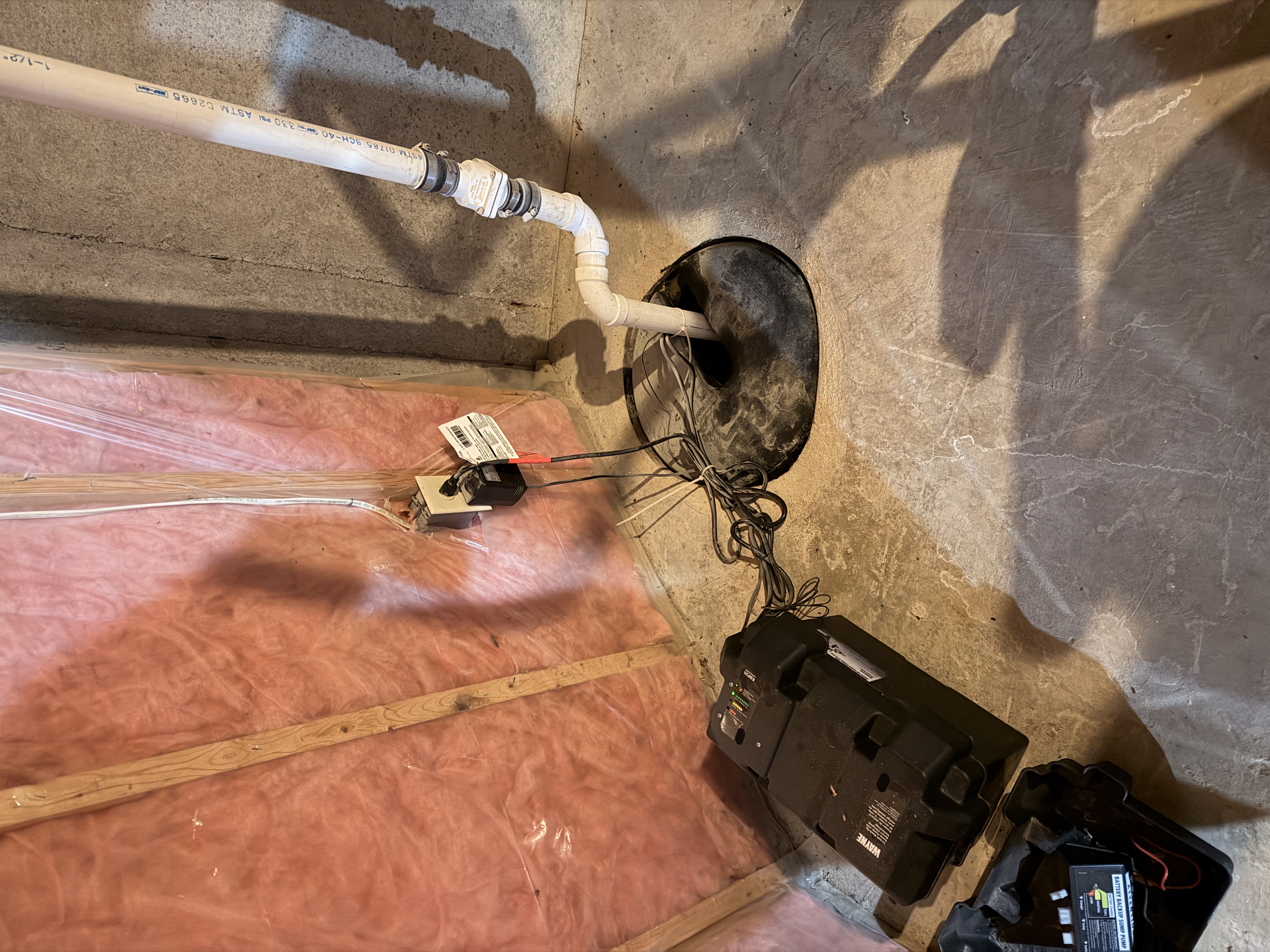
Sump Pump in basement

Basement

The basement is evaluated as part of the structural and interior inspection. The foundation walls, floor structure, and interior surfaces (walls, ceilings, floors) are all checked in this space.

I pay close attention to signs of water intrusion, staining, efflorescence, musty odors, and visible mold or mildew growth, along with cracking or movement in the foundation walls and the condition of any sump pump present.

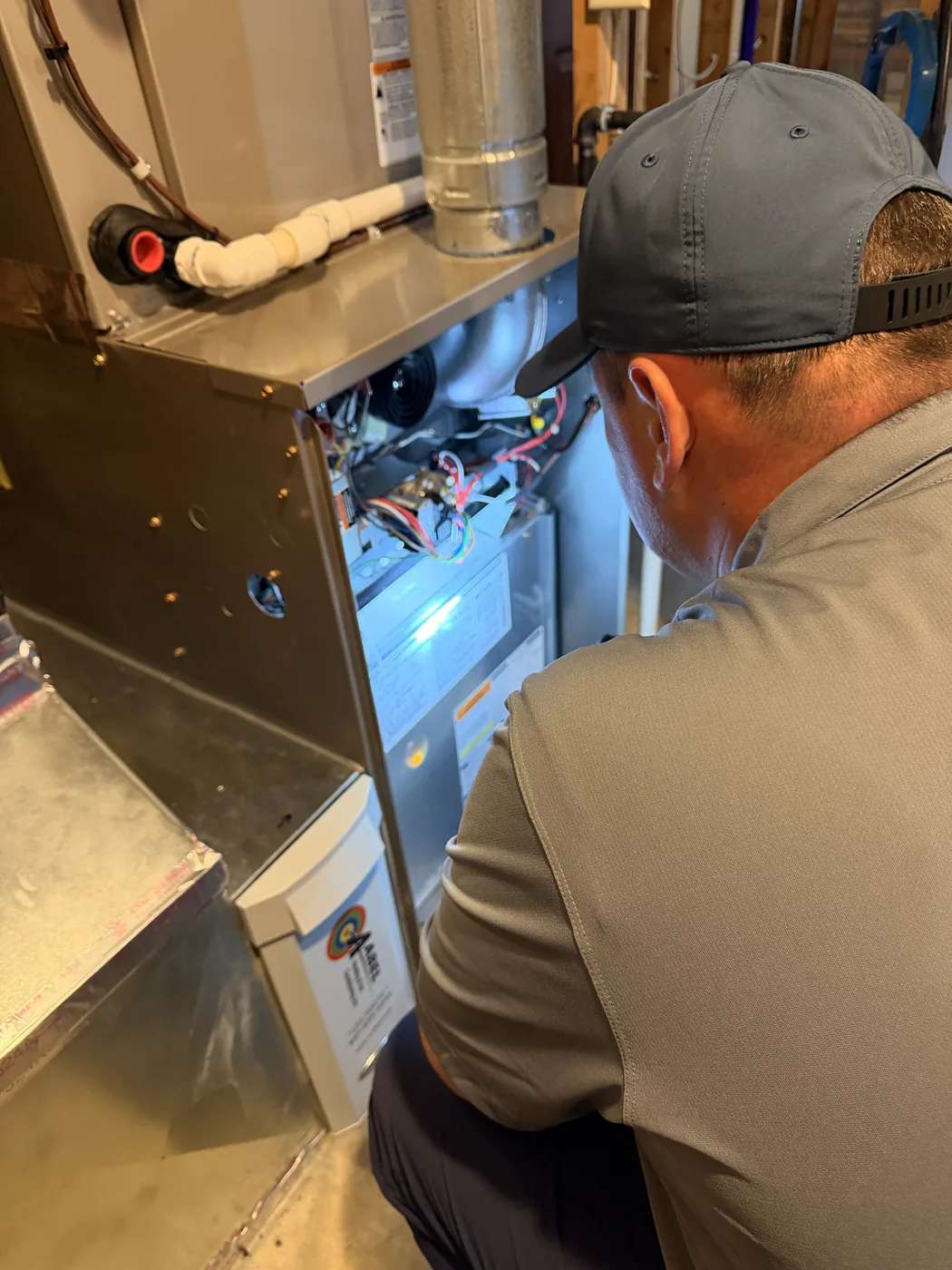
Inspecting an open furnace service panel

Heating & Cooling

I inspect and operate all readily accessible heating equipment, vent systems, flues, chimneys, and distribution systems, and report the energy source and approximate age of the system. The same goes for central and permanently installed air conditioning. I'll inspect and operate the equipment and distribution systems and note the energy source and approximate age.

I'm looking for signs of corrosion or rust, unusual noises or odors during operation, improper venting, inadequate airflow at registers, and equipment nearing the end of its typical service life.

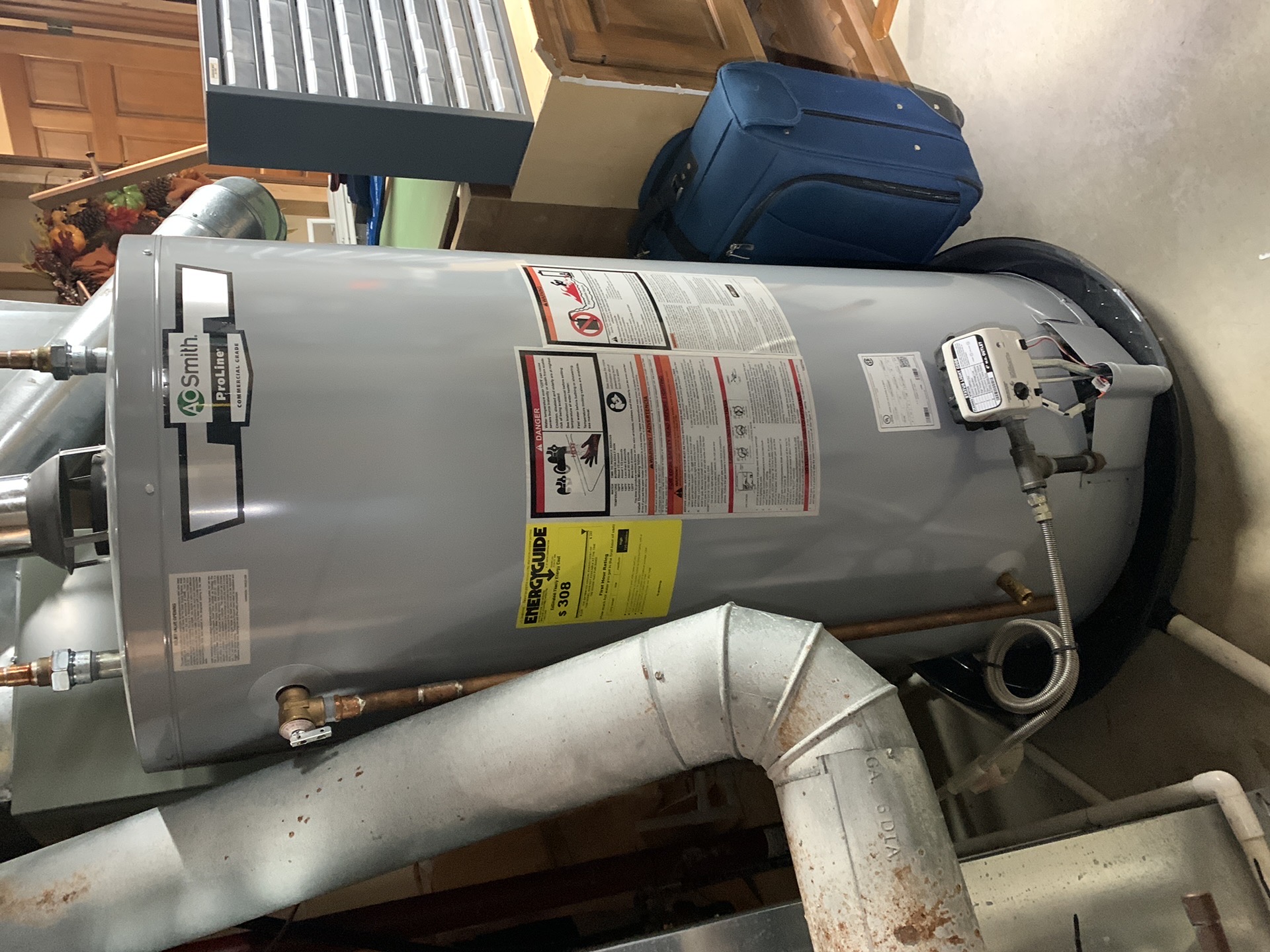
Water heater

Plumbing

I inspect the interior water supply and distribution system (including fixtures and faucets), the drain/waste/vent system, water heating equipment and its approximate age, fuel storage and distribution systems, and any readily accessible sump pumps or sewage ejectors. I'll report the location of the main water and fuel shut-off valves.

I'm looking for active or past leaks, corroded or outdated piping materials, inadequate water pressure, improper drain venting, and signs of water damage around fixtures and connections.

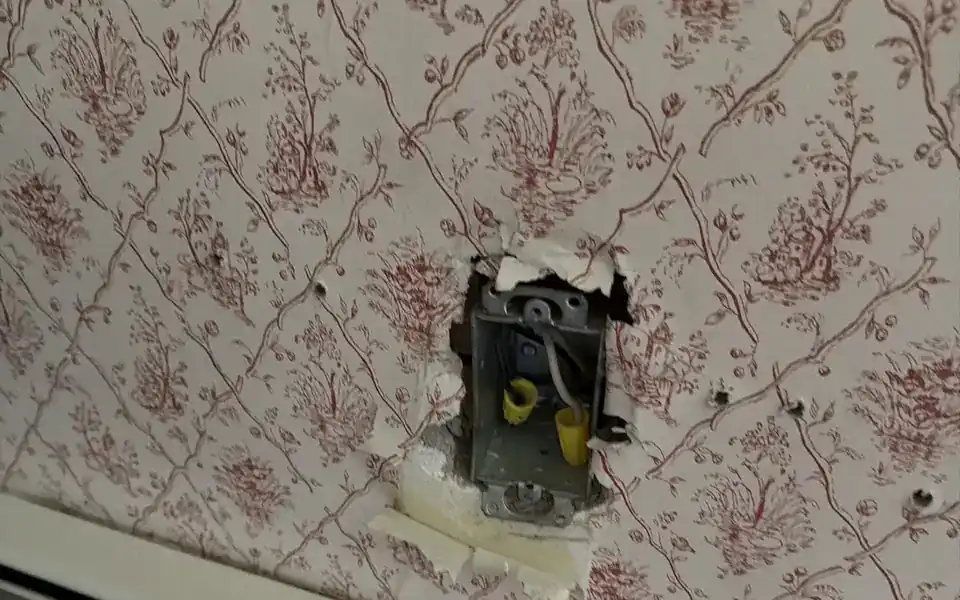
Damaged electrical box and exposed wiring behind a missing outlet

Electrical

I inspect the service drop, service entrance conductors, main disconnects, grounding, panels and subpanels, conductors, overcurrent protection devices, and a representative sample of light fixtures, switches, and receptacles. I report the home's amperage rating, panel locations, smoke/CO alarm presence, and wiring method.

I'm looking for double-tapped breakers, outdated or hazardous wiring types, missing GFCI protection in wet locations, overloaded panels, and any exposed or improperly connected wiring.

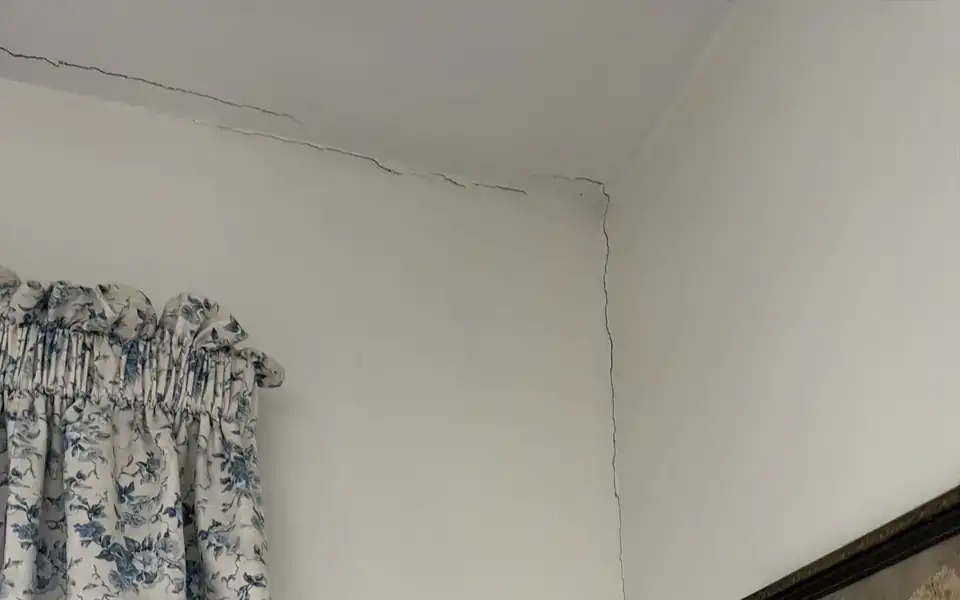
Crack running along a wall and into the ceiling

Interior

I inspect walls, ceilings, and floors, steps and railings, countertops, a representative sample of cabinets, doors, and windows, and garage vehicle doors and their operation.

I'm looking for cracking or water staining on walls and ceilings, uneven or damaged flooring, doors and windows that don't operate properly, and loose or unsafe railings.

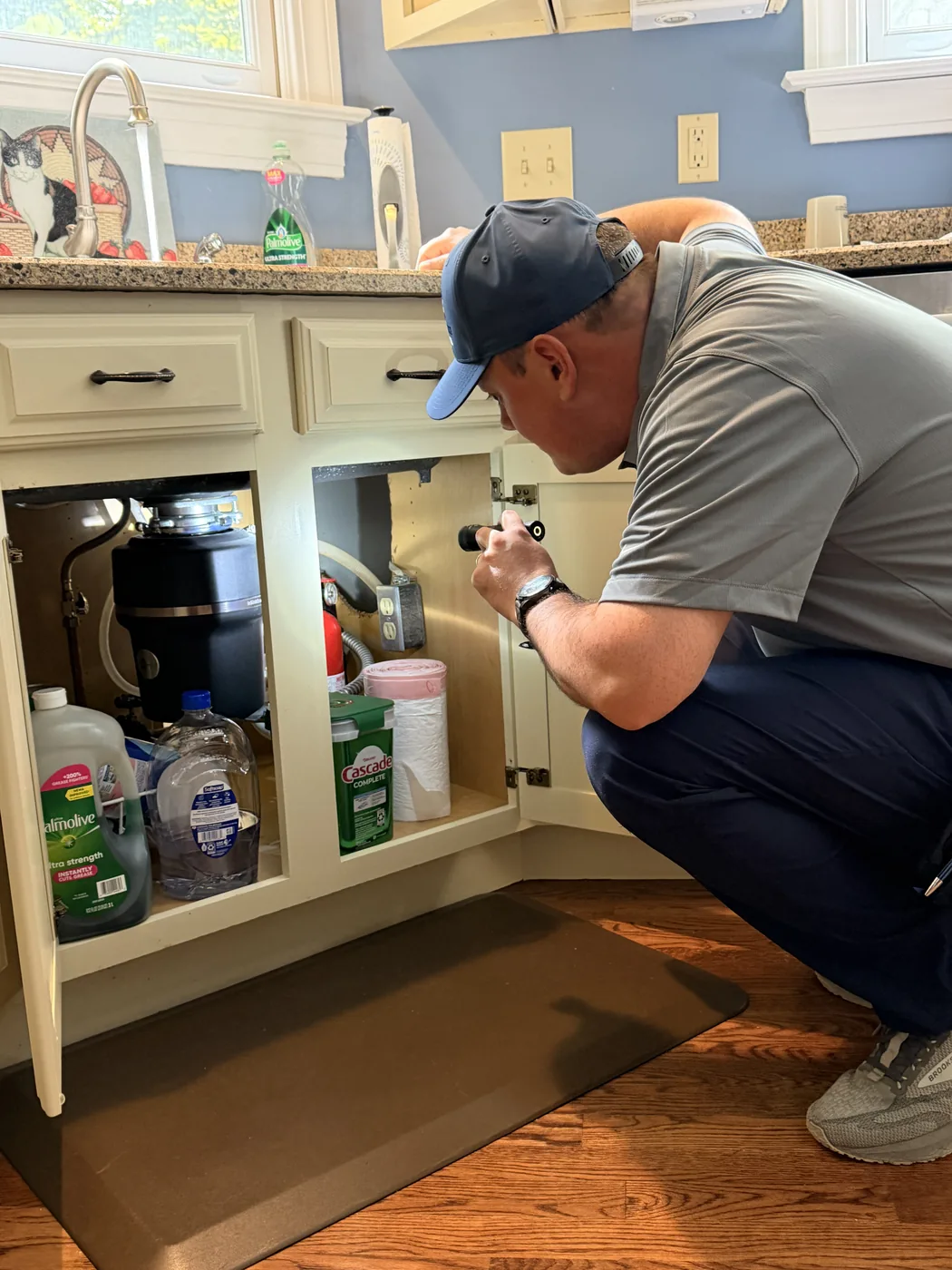
Inspecting plumbing and cabinetry beneath a kitchen sink

Kitchens

In the kitchen, I operate every built-in appliance, the refrigerator, range, range hood, oven, dishwasher, built-in microwave, and food waste grinder by using normal controls to confirm basic function.

I'm looking for appliances that don't respond to normal operation, leaks under the sink or around the dishwasher, damaged countertops or cabinets, and improperly secured or unsupported cabinetry.

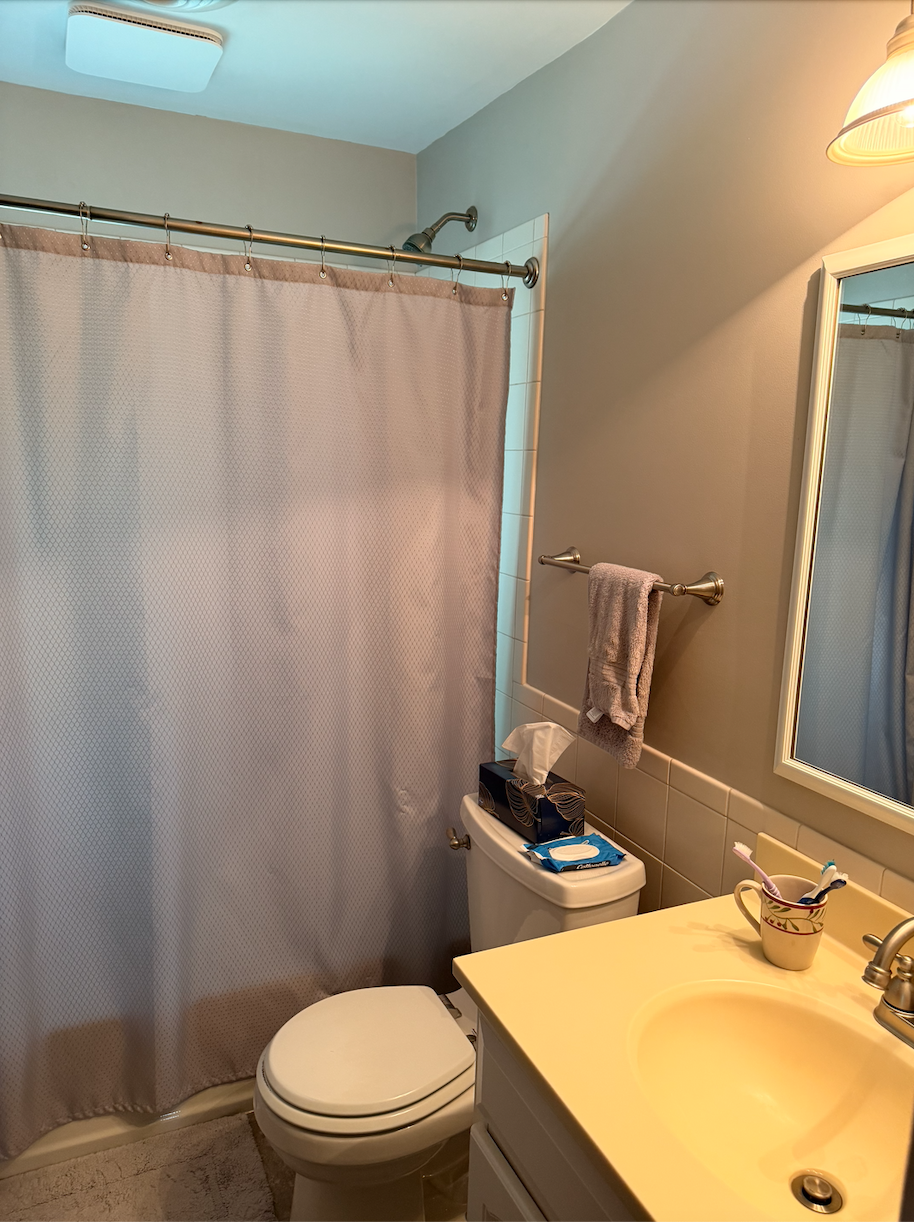
Bathroom with Shower

Bathrooms

Bathroom fixtures (sinks, tubs, toilets, faucets) are evaluated as part of the plumbing inspection, and exhaust fans are checked as part of the ventilation review.

I'm looking for active leaks, water damage around tubs and showers, deteriorated caulking or grout, poor ventilation, and fixtures that don't operate properly.

Attic

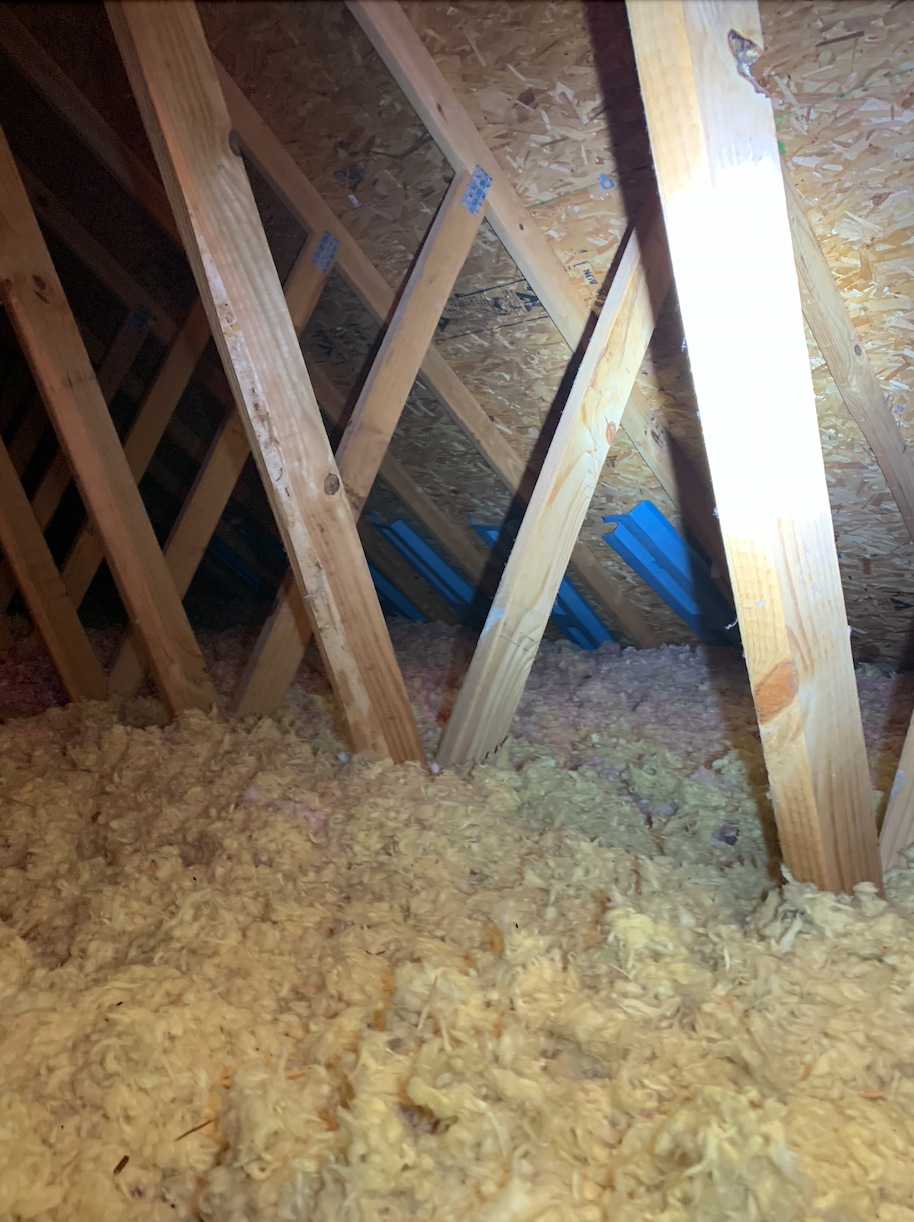
I inspect readily accessible attic space as part of the structural review, along with insulation and ventilation.

I'm looking for signs of roof leaks or water staining on the underside of the roof deck, inadequate or missing insulation, poor ventilation, and evidence of pest activity.

To physically enter an attic, Ohio standards require at least 24 inches of vertical clearance and an access opening of at least 16" x 24". If those minimums aren't met, or if load-bearing framing is concealed by insulation or other materials, I'll inspect from the access point and note the method used.

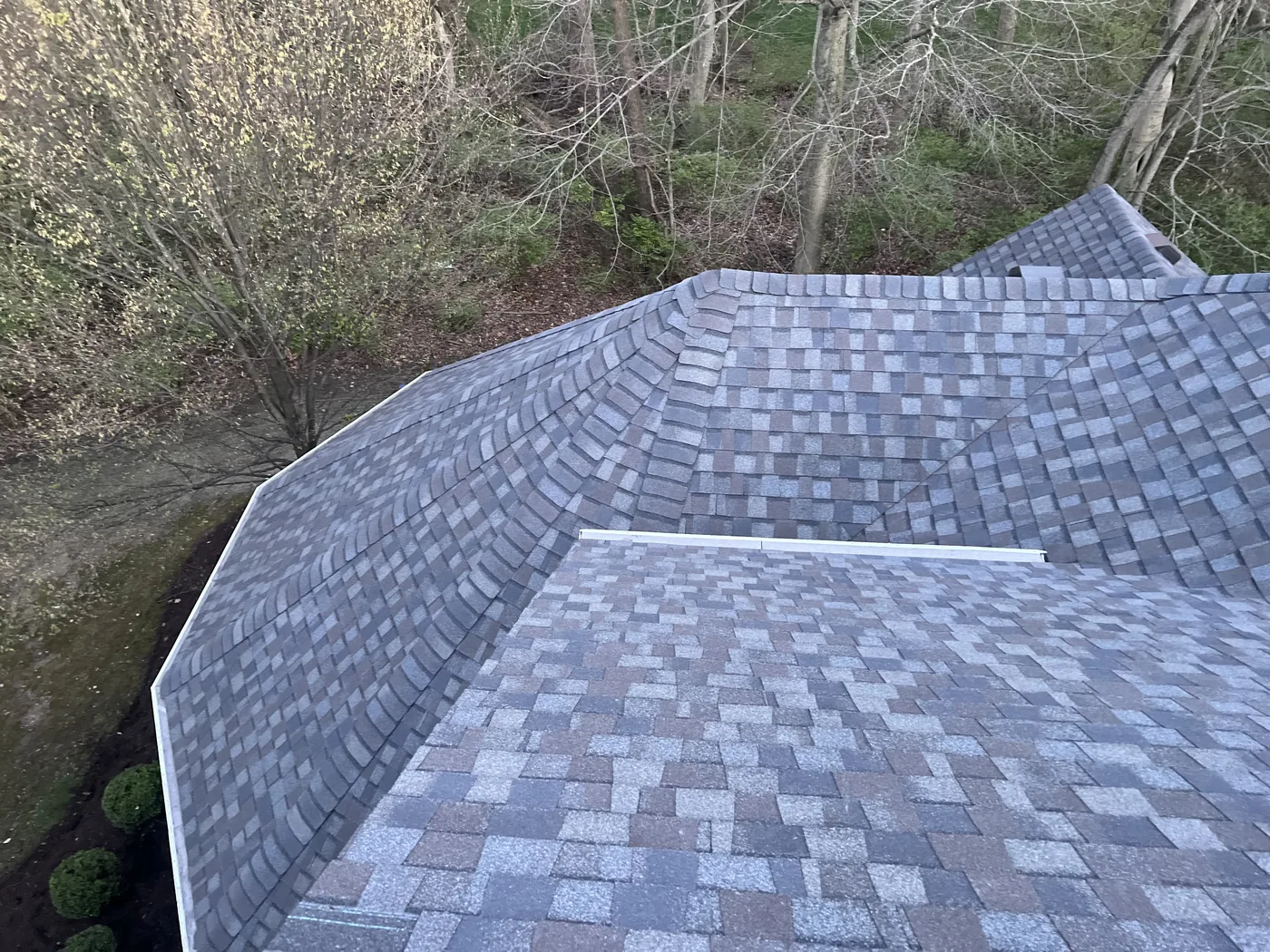
Asphalt shingle roof surface during an inspection

Roof

I inspect the roofing materials, roof drainage system, flashing, skylights, chimneys, and any roof penetrations, and I'll note the method used to inspect the roof (walked, from the eaves, or from the ground with binoculars, etc.).

I'm looking for missing, damaged, or worn roofing material, deteriorated or improperly installed flashing, clogged or damaged gutters and downspouts, and signs of past or active leaks.

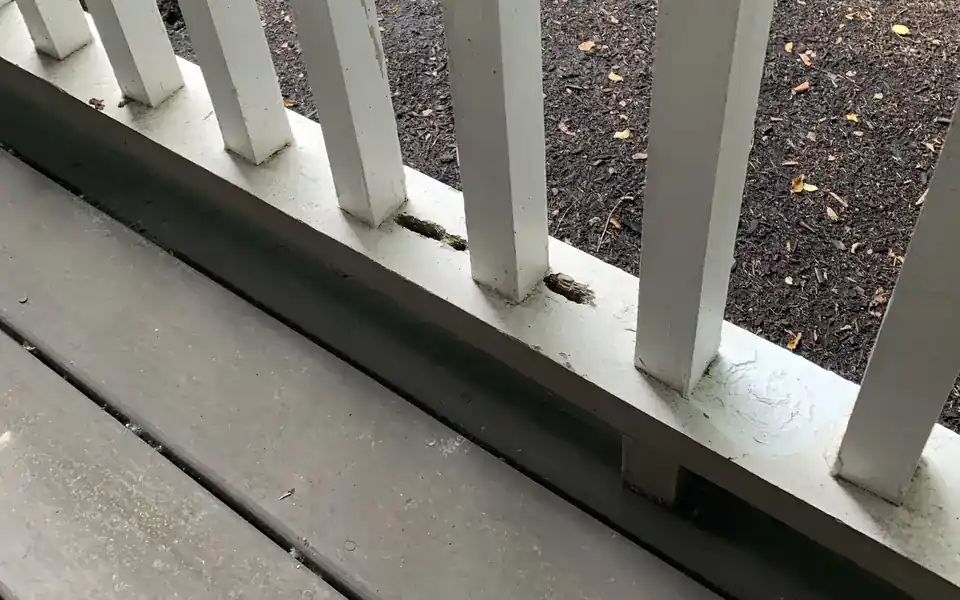
Deteriorated bottom rail and balusters on a porch railing

Exterior

I inspect exterior wall coverings, flashing, and trim, exterior doors, attached decks/balconies/porches/steps and their railings, and eaves, soffits, and fascia visible from ground level.

I'm looking for damaged or deteriorated siding and trim, gaps or failed caulking around openings, unsafe or deteriorated deck and porch structures, and loose railings.

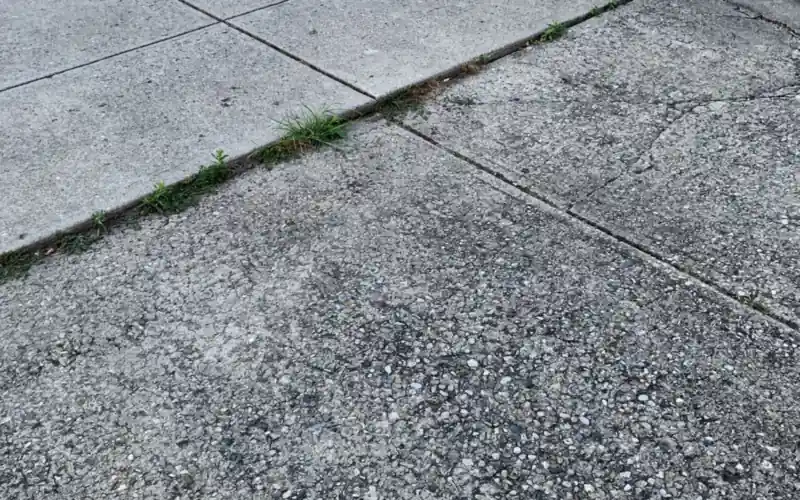
Heaving concrete slabs along a driveway

Grounds & Drainage

I evaluate vegetation, grading, and surface drainage that could adversely affect the building, along with adjacent walkways, patios, and driveways.

I'm looking for negative grading that directs water toward the foundation, poor drainage or standing water near the home, vegetation growing too close to the structure, and cracked or heaving walkways and driveways.

What I don't do

A home inspection is a visual, non-invasive review of a property's condition on the day of the inspection. By Ohio law, I'm not required to:

  • Move furniture, personal belongings, or debris.
  • Take apart or dismantle any system or component.
  • Predict the remaining life of a system, or forecast future problems.
  • Estimate repair costs.
  • Determine the cause of a defect.
  • Comment on code compliance, past or present.
  • Offer an opinion on the home's market value or marketability.
  • Test for the presence of environmental hazards.
  • Enter areas that are unsafe or not readily accessible.
  • Identify or disclose concealed conditions or latent defects that aren't visible or accessible during a standard visual inspection.
  • Offer any warranty or guarantee on the property.

If I choose to comment on any of the above, I'll always do so honestly and never in a misleading way, but these items do fall outside the scope of a standard inspection under Ohio law (OAC 1301:17-1-17).

Ready to schedule your inspection?

Request a free quote 937-882-2079